Oncology
Revealing new phenotypes and improving PDOs establishment

LIFE SCIENCE R&D SERVICES
ALATYR provides contract R&D services to explore how simulated microgravity can reveal new cellular models, protein crystallization insights and bioproduction strategies.
Simulated microgravity introduces a new physical condition into R&D workflows, helping reveal biological and physicochemical behaviours that standard static experiments may not expose.
Discuss your R&D challengeRevealing new phenotypes and improving PDOs establishment
Supporting crystals formation for structural biology
Improving production of proteins, EVs, immune cells
Advancing maturation of complex human in vitro models
Exploring new in vitro models for aging, repair and product evaluation
Revealing new phenotypes and improving PDOs establishment
Supporting crystals formation for structural biology
Improving production of proteins, EVs, immune cells
Advancing maturation of complex human in vitro models
Exploring new in vitro models for aging, repair and product evaluation
February 2026Gustave Roussy
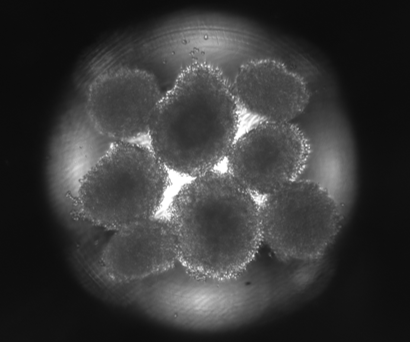
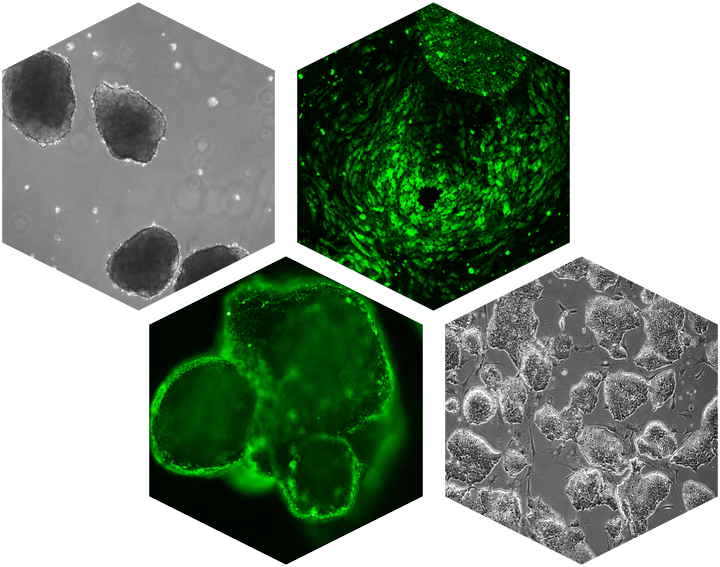
ALATYR is conducting a collaborative study with Gustave Roussy, Europe’s leading cancer research and treatment centers, to investigate the effects of simulated microgravity on colorectal tumoroids.
This collaboration aims to determine how simulated microgravity modulates colorectal tumoroid proliferation, morphology, and gene expression, with the objective of uncovering previously unexplored molecular pathways and potential therapeutic targets.
April 2026Servier
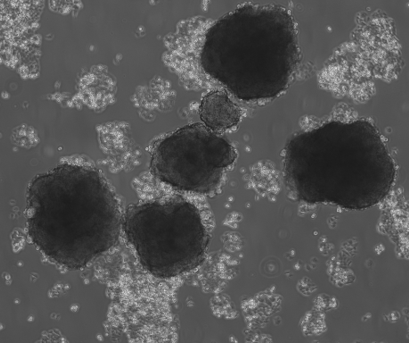
ALATYR conducted a joint study with Servier, an independent international pharmaceutical group governed by a foundation, to investigate the impact of simulated microgravity on pancreatic tumoroids (3D cancer cell models).
Pancreatic ductal adenocarcinoma (PDAC) remains one of the most lethal solid malignancies, with limited therapeutic options and few validated molecular targets.
This collaboration aimed at exploring how simulated microgravity conditions influence the phenotypic consequences of PDAC and validate a novel therapeutic target in pancreatic cancer tumoroids.
June 2026Institute for Integrative Biology of the Cell
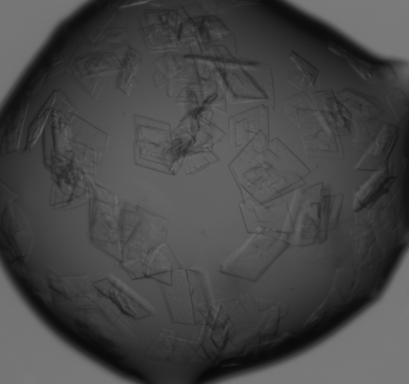
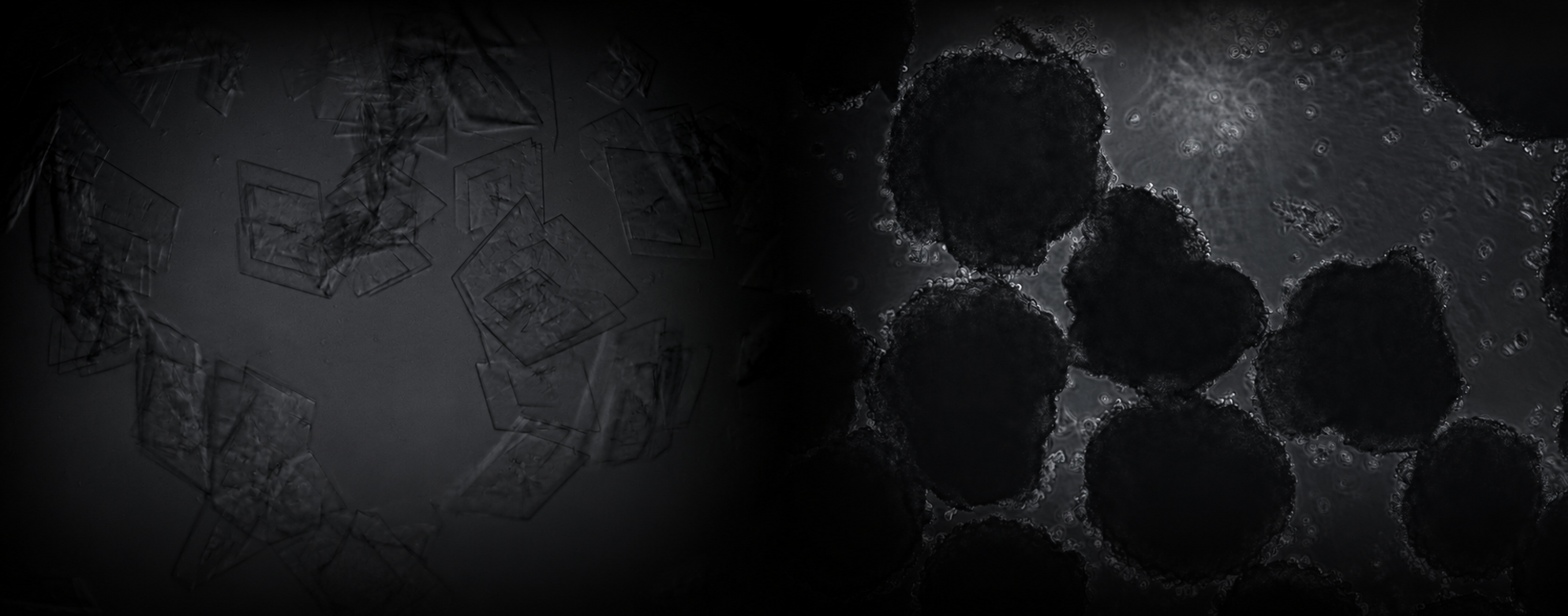
ALATYR is collaborating with I2BC (Institute for Integrative Biology of the Cell) to examine how simulated microgravity affects protein crystallization and whether it can offer advantages over conventional 1g conditions.
Obtaining high-quality protein crystals remains a major challenge in structural biology, as crystal size, homogeneity, and structural order directly influence downstream structural characterization.
This collaboration focuses on comparing protein crystallization under simulated microgravity and standard gravity conditions to determine whether altered gravitational conditions can improve crystal formation and quality.
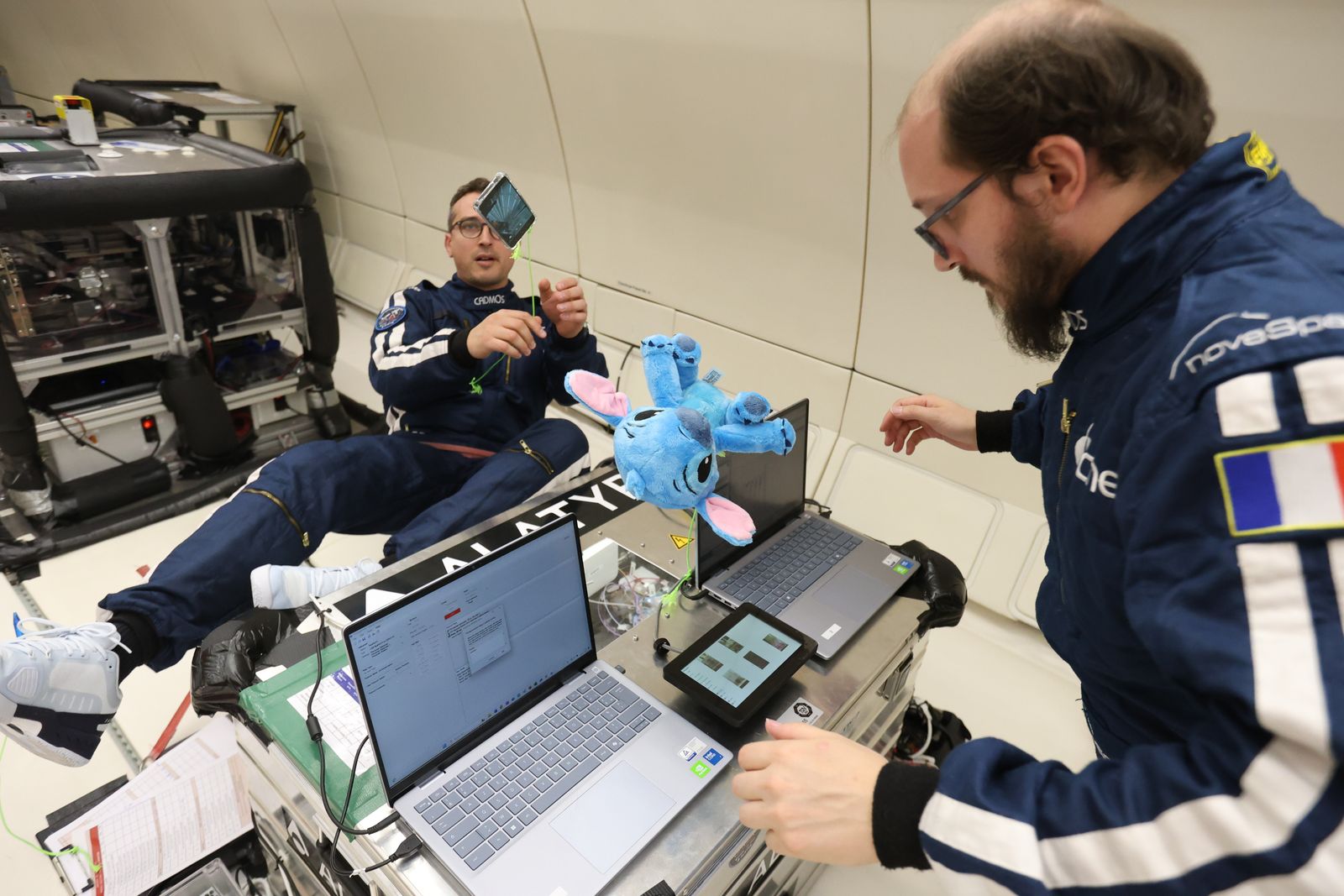
Alatyr was sponsored by the CNES and executed a first parabolic flight mission.





ALATYR’s first biology payload reaches space!
In less than six months, our team designed, built, and qualified a fully automated orbital mini-laboratory, taking it from concept to flight in record time.